

About Kokoro
Three houses in the west San Fernando Valley, run by people who believe the physical environment someone recovers in is not a detail.
The name
Kokoro
In Japanese, kokoro is a single word for heart, mind and spirit. The idea is that they aren’t three separate things you can treat in isolation.
That’s a fair description of what goes wrong in early recovery. Someone gets physically sober and everything else is still in pieces: where they sleep, how they eat, whether anyone expects anything of them, whether their day has a shape. Fix the substance and leave the rest, and the rest comes back for you.
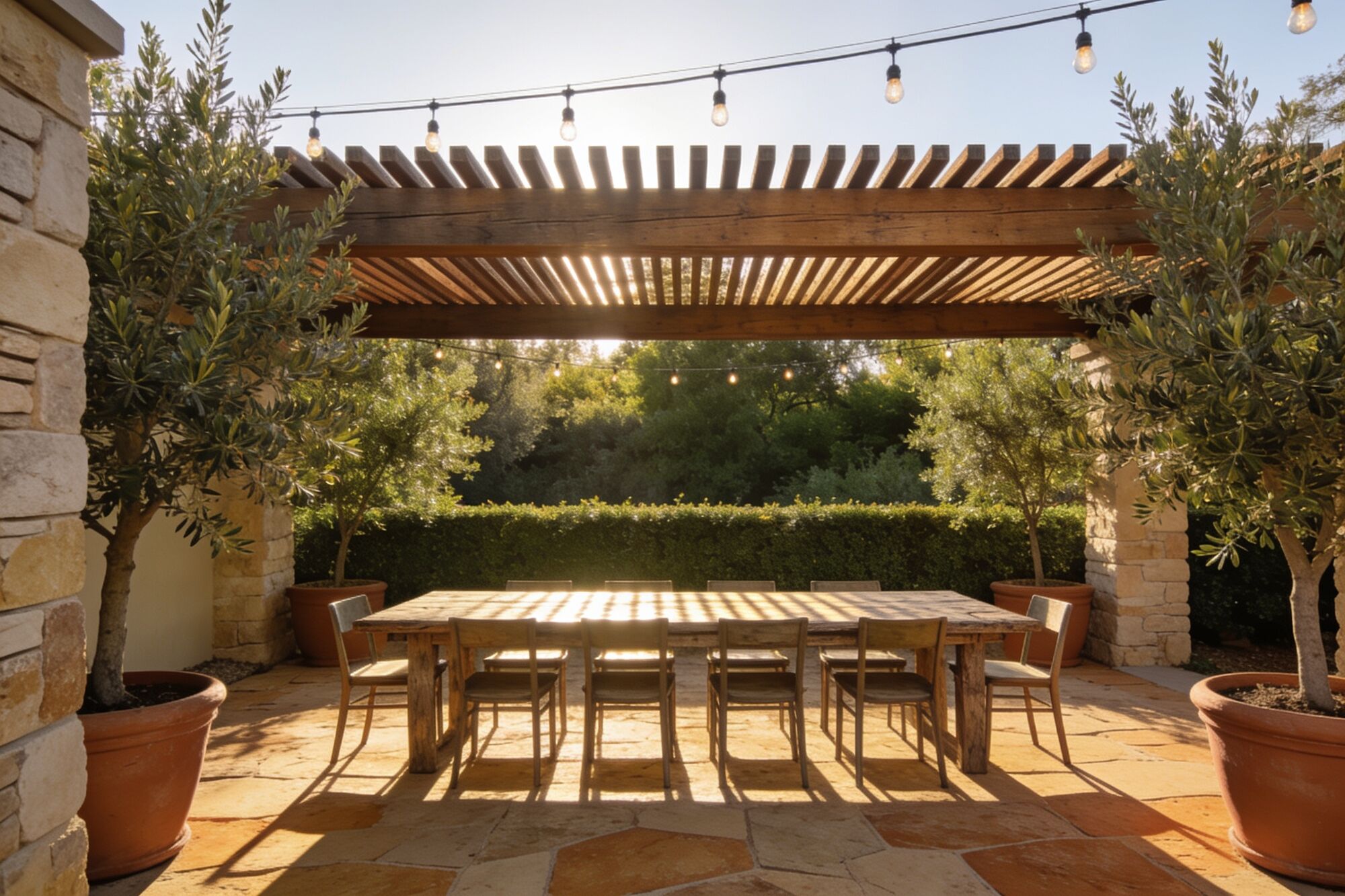
So we built houses that address the rest. Not as amenities, as the actual mechanism. A full-size bed rather than a bunk changes how someone sleeps, which changes everything downstream. A desk with a monitor changes whether a job search happens. A pool and an acre of land change whether someone spends their afternoon outside or in bed with the curtains shut.
Our story
How this started.
Kokoro was never something we planned. It happened naturally, through relationships, an unexpected conversation, and the right people crossing our path at exactly the right time.
We were the developers. Through Clean Slate Homes we built and renovated houses across Los Angeles, including homes made for sober living operators, and for years, when people asked whether we’d ever run one ourselves, we said no. We respected the work too much to pretend we understood an industry we didn’t yet know, and we had no interest in stepping on the toes of people who did.
Then our good friend Vinsent Franke told us about a sober living house in the Valley that was closing down, and about the people living there, who suddenly needed somewhere to go. He walked one of our properties with us and said something very simple: “You have a bunch of empty houses. Why don’t you let them come live in one of them?” That one conversation opened a door we never expected to walk through.
Through Vinsent we met Christopher Shido, and that changed everything. Chris taught us what sober living truly means, not a bed and a roof, but the right environment: structure, accountability, support, and a community for people working to rebuild their lives. He guided us from the beginning, he guides us still, and he serves today as Kokoro’s Head of Operations.
So Kokoro was never a business plan. It grew naturally, out of housing we had already built, relationships we were lucky to have, and a genuine opportunity to use what we had for something bigger. We’ll always be grateful to Vinsent for opening that first door, and we feel blessed to have Chris leading our operations and teaching us along the way. Because the goal was never to give somebody a bed. It’s to give them a home, and the room to build the next chapter of their life in it.
The team
The people who actually run the houses.
Referring professionals want a name and a number, and families want to know who’s going to be there at two in the morning. Both are reasonable.
Goel Sohmekh
Came to recovery housing from the development side, building homes for sober living operators across LA before running them. First point of contact for placements, families and partners.
Christopher Shido
The operational backbone of Kokoro, the structure, the standards, and the day-to-day of what genuinely supports people in recovery, and house manager of Community Street, our largest campus. The reason we felt ready to run homes at all.
Madison Shelton
House manager of Deveron Ridge, our women’s residence in West Hills, the smallest and quietest of the three houses, where knowing how every guest is doing isn’t a slogan, it’s the job.
Standards
What we hold ourselves to.
CCAPP certification
Our policies are written against CCAPP’s certification standard, and certification is on our roadmap, ask where we are in the process and we’ll tell you straight. CCAPP is California’s NARR affiliate and the only recovery-residence certification the state’s Department of Health Care Services recognises. Certification means an on-site peer inspection, a signed code of ethics, written policies and annual review. Almost no operator in this valley displays one.
NARR national standards
We operate as a NARR Level II (monitored) recovery residence, a compensated house manager at every house, written policy and procedure, and clinical services accessed in the community, with a level of structure that honestly borders Level III.
SAMHSA best practices
Our policies are built against SAMHSA’s Best Practices for Recovery Housing (2023), particularly on overdose prevention, guest rights, and the clear separation between recovery housing and residential treatment.
No paid referrals, in either direction
We do not pay anyone to send us guests and we do not accept payment for sending guests anywhere. In Southern California this needs saying out loud.
Our housing partner
Clean Slate Homes
Our properties come from Clean Slate Homes, which develops and renovates residential real estate specifically for recovery housing operators across Los Angeles County.
It’s a clean division of labour and it’s the reason the houses look the way they do: Clean Slate does the buildings, we run the houses. Neither of us is trying to do the other’s job.
Come look at it yourself.
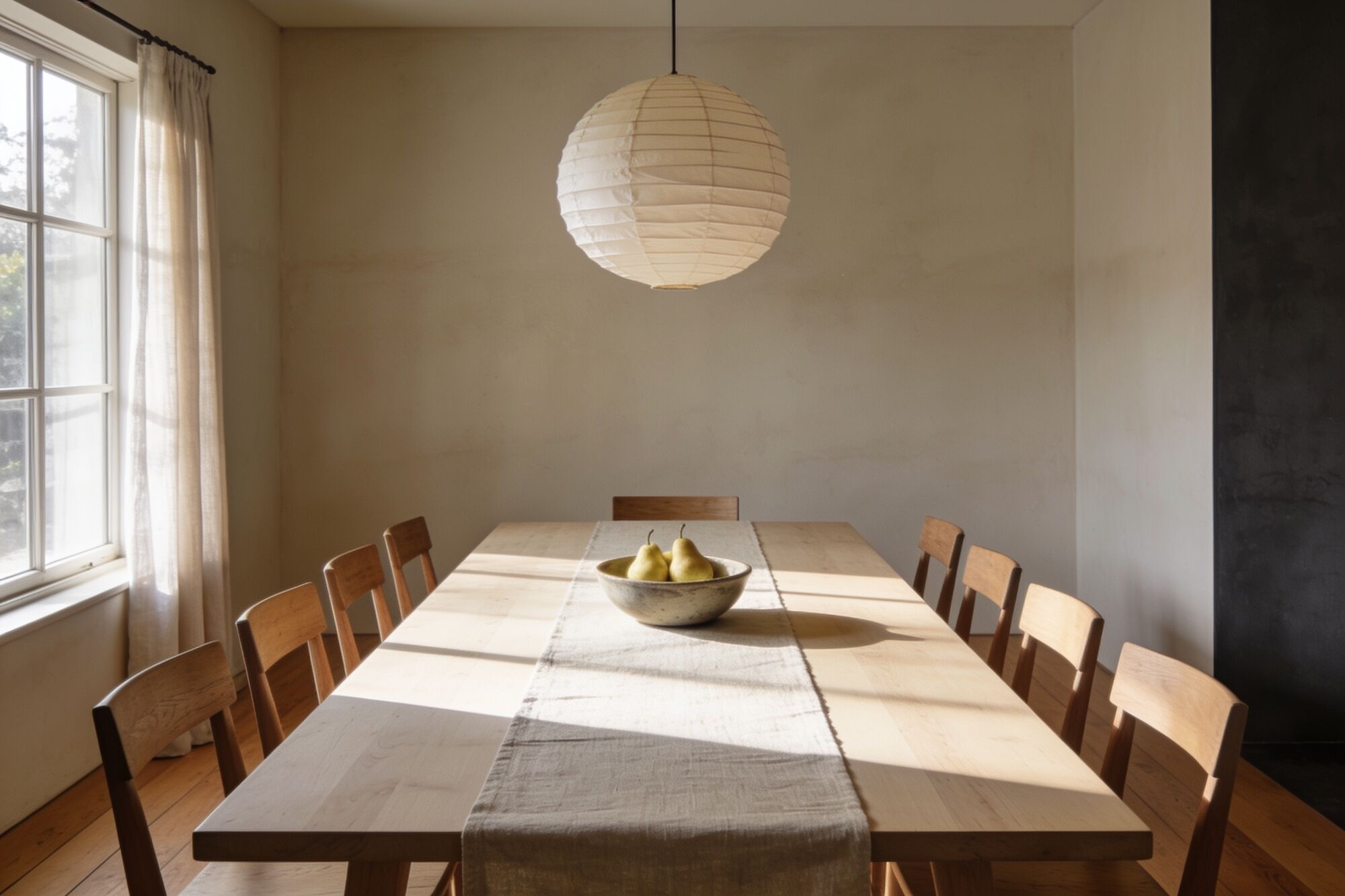
The houses make the argument better than this page does.